.png)
Oil Prices Surge as Iran Negotiations Falter and Shipping Delays Impact Supply
- Ripradaman R
- 6 hours ago
- 2 min read

Oil prices have climbed to a two-week high amid stalled talks with Iran and ongoing delays in shipments through the strategic Strait of Hormuz. These developments have tightened supply expectations and raised concerns about future market stability. This post explores the factors behind the recent price surge and what it means for global energy markets.

Iran Negotiations Stall and Market Impact
Negotiations over Iran’s nuclear program have hit a deadlock, reducing hopes for a swift easing of sanctions. These talks are crucial because sanctions limit Iran’s ability to export oil, which affects global supply levels. Without progress, Iran’s oil remains largely off the market, tightening supply and pushing prices higher.
The stalled talks have several consequences:
Reduced Iranian oil exports keep supply constrained.
Increased geopolitical risk adds uncertainty to the market.
Speculation among traders drives prices up as they anticipate tighter supply.
This situation contrasts with earlier optimism when talks suggested a possible return of Iranian oil to the market, which had helped keep prices in check.
Shipping Delays in the Strait of Hormuz
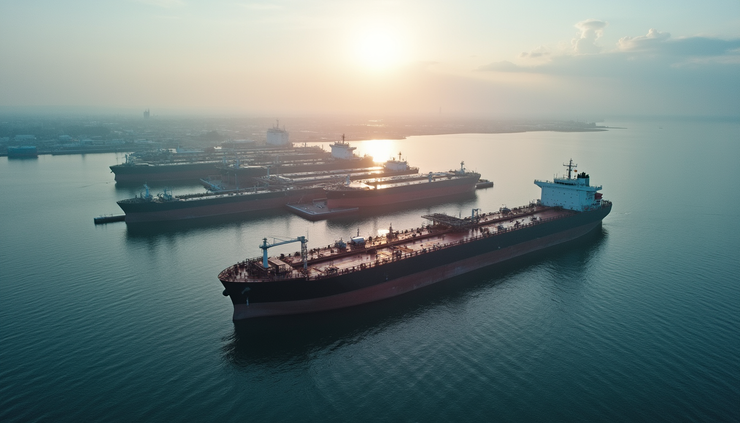
The Strait of Hormuz is one of the world’s most important oil transit chokepoints, with about 20% of global oil passing through it daily. Recent delays in shipments through this narrow waterway have further strained supply chains.
Key factors behind the delays include:
Heightened security checks amid regional tensions.
Congestion caused by increased tanker traffic as producers adjust shipments.
Weather-related slowdowns affecting navigation.
These delays mean oil takes longer to reach refineries and markets, reducing the effective supply available at any given time. This bottleneck adds upward pressure on prices.
What This Means for Consumers and Markets
The combination of stalled Iran talks and shipping delays creates a tighter oil market. For consumers, this can translate into higher fuel prices at the pump and increased costs for goods reliant on transportation.
For markets, the situation means:
Increased price volatility as supply uncertainties persist.
Potential for further price spikes if geopolitical tensions escalate.
Greater attention on alternative supply sources such as U.S. shale or OPEC production adjustments.
Energy traders and analysts will closely watch any developments in Iran negotiations and shipping conditions to gauge future price movements.
Looking Ahead
Oil prices are responding to real supply challenges, not just speculation. Until Iran talks resume with progress or shipping delays ease, the market will likely remain tight. This environment encourages producers to maintain or increase output where possible, but geopolitical and logistical hurdles limit quick fixes.
Consumers and businesses should prepare for continued price fluctuations and consider energy efficiency or alternative options to manage costs. Staying informed about geopolitical developments and shipping news can provide early signals of market changes.


Comments